When Culture Becomes the Product: How Lea Turner Is Building a Different Kind of Business Community
The most interesting innovation in business communities might not be the technology, the content or even the connections. It might be the culture that makes people genuinely want to help each other succeed.
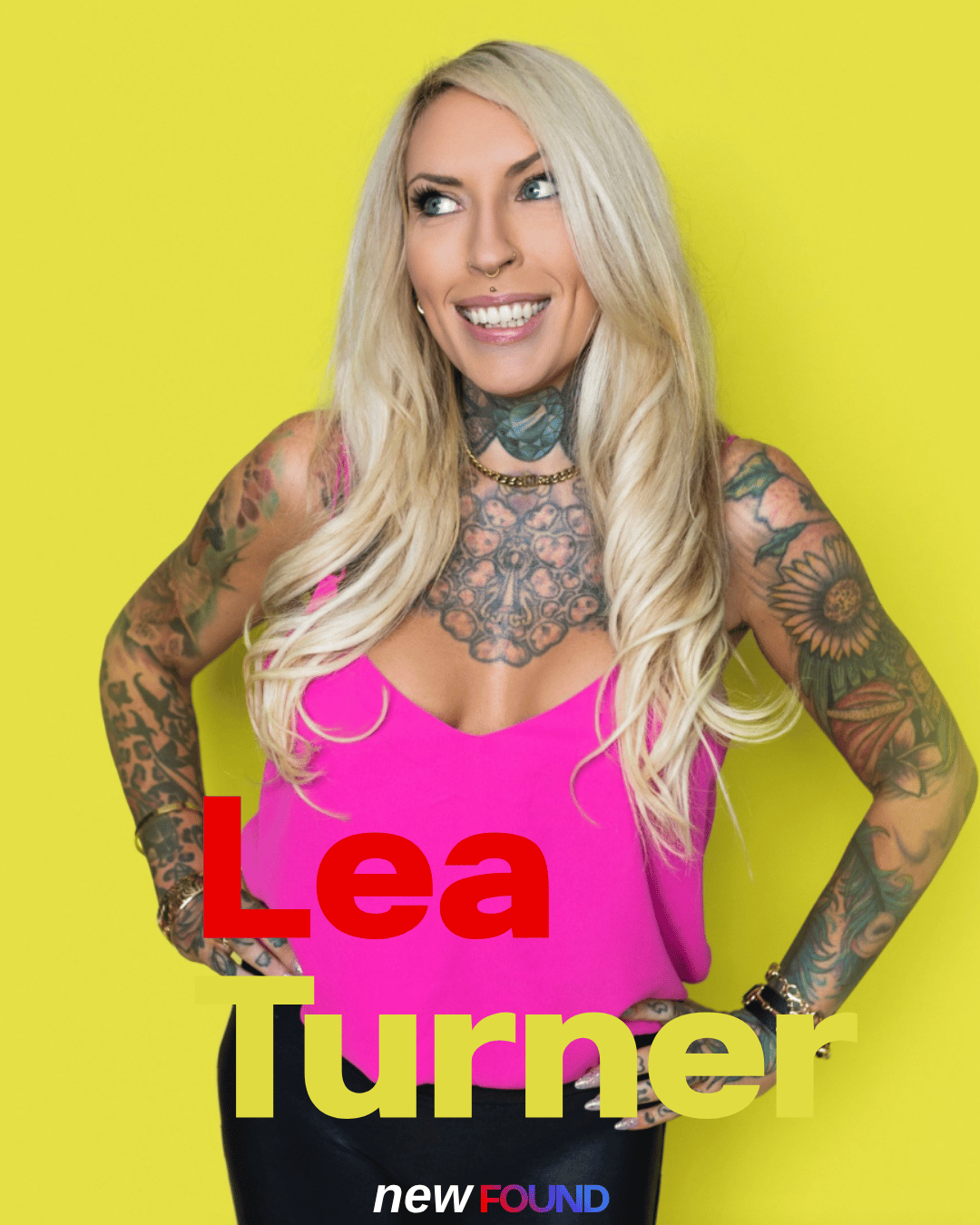
Entrepreneurship is often celebrated as a journey of independence. The freedom to make your own decisions, build something meaningful and create a business on your own terms is enormously appealing. But independence can also come at a cost. For freelancers, solopreneurs and small business owners, the absence of colleagues, sounding boards and everyday support can make running a business unexpectedly isolating.
Business communities promise to fill that gap. Some provide valuable connections, others offer education, networking or access to potential customers. Yet bringing hundreds of people together on a digital platform doesn't automatically create a community. The harder challenge is building an environment in which people trust one another enough to contribute, collaborate and genuinely care about the success of their peers.
It's a distinction that Lea Turner appears to understand particularly well.
Launched in June 2022, The HoLT has grown into a community of more than 500 business owners, combining professional development, practical resources and commercial connections with a deliberately informal, people-first culture.
Turner's approach challenges some familiar conventions of business networking. Rather than treating members primarily as prospects, she has built a model around mutual assistance, shared learning and the belief that commercial opportunities are often a natural consequence of meaningful relationships.
What makes The HoLT interesting isn't necessarily any individual feature. It's how the different elements reinforce one another.
When culture becomes the product
Many entrepreneurs will have experienced networking environments where conversation feels transactional, success is measured in introductions and everyone is ultimately trying to sell something.
The HoLT takes a noticeably different approach.
Turner has developed an identity around inclusivity, humour, honesty and a fairly uncompromising rejection of behaviour that undermines the group. Its memorable No Knobs principle might sound playful, but it communicates a serious expectation: members should treat one another with respect.
More importantly, these values are intended to influence everyday interactions rather than exist merely as community guidelines.
In one public account, Turner described members volunteering feedback on a new business offering, helping a fellow freelancer find cover for an assignment, offering technical assistance and connecting someone with professional expertise — all during a single morning.
Individually, these are modest acts. Collectively, they illustrate something more significant: a community in which asking for help becomes normal, and offering it becomes instinctive.
That kind of culture has business value. Entrepreneurs benefit from access to experiences they don't personally possess, honest feedback that might otherwise be expensive to obtain and trusted relationships that can lead to collaboration.
But the benefits extend beyond commercial outcomes. Having someone to speak to when business is difficult, or people who celebrate an achievement that friends and family may not fully appreciate, can make the entrepreneurial experience more sustainable and rewarding.
There is also an important leadership lesson here. Community culture doesn't simply emerge because its founder describes the right values. It develops through repeated behaviour — what is encouraged, what is challenged and how people are treated when they need support.
Turner has made her own participation unusually visible, regularly joining conversations, making introductions and encouraging members to contribute their expertise. She also describes taking action when individuals behave in ways that undermine the environment.
It is an example of how culture can become a form of infrastructure: an intangible business asset that makes the practical resources more valuable, the relationships more resilient and the whole experience harder to replicate.
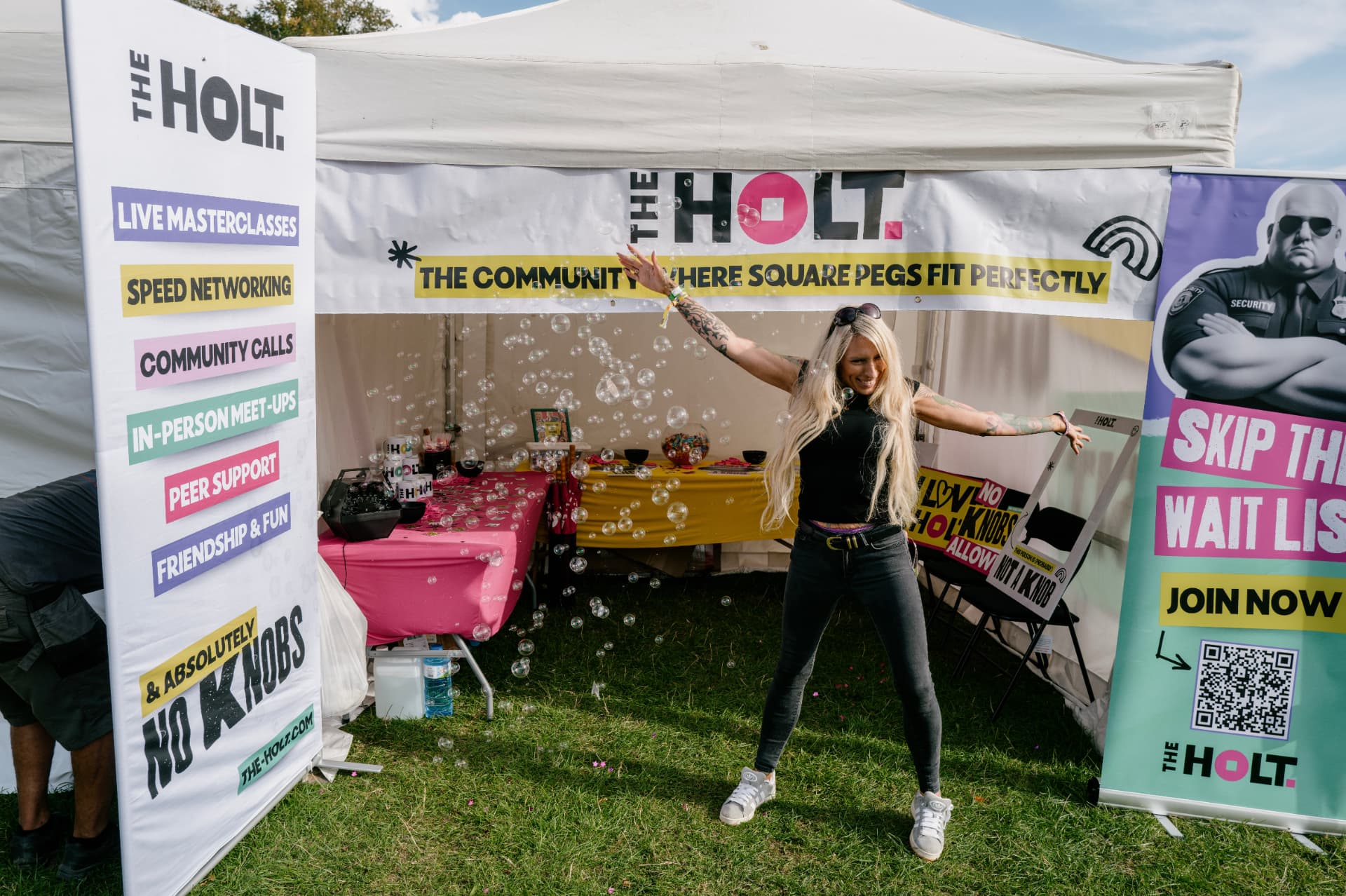
A substantial library of expertise, not simply a networking group
Although the relationships are central to The HoLT's identity, the educational resources are a significant part of its offering.
Members have access to a substantial library of more than 200 recorded masterclasses and sessions, spanning disciplines that entrepreneurs would otherwise need to research independently, commission advisers for or learn through trial and error.
The content covers sales, marketing, copywriting, brand building, social media, AI, automation, video production, podcasting, finance, business systems and personal development, among other subjects.
Its guest-expert roster includes internationally recognised creative-business educator Chris Do, copywriter Eddie Shleyner, social media strategist Sophie Miller, LinkedIn specialist Richard van der Blom and author Bob Burg, alongside other experienced practitioners and specialists.
The breadth matters. Small business owners rarely have the luxury of concentrating on just one discipline. They may be responsible for business development in the morning, marketing in the afternoon and financial planning at the weekend.
Access to knowledgeable specialists across those areas can remove some of the friction of building a business, particularly when members are also able to ask questions, discuss ideas and learn from each other's experiences.
There is an important difference between providing information and enabling someone to use it. The HoLT's combination of education and peer discussion creates opportunities for members to turn learning into practical action.
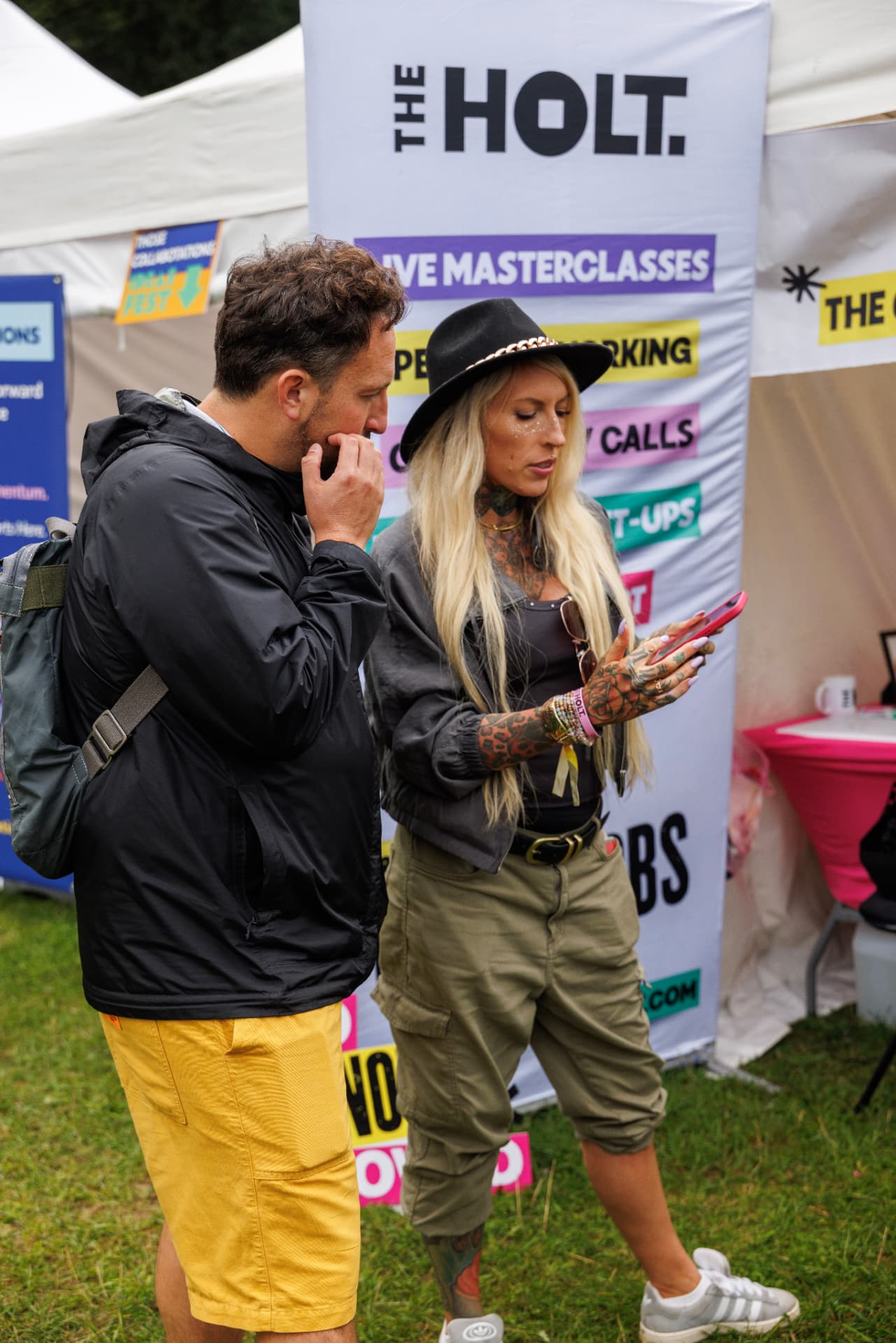
Using technology to strengthen human connection
One of the more interesting aspects of Turner's evolving model is her willingness to introduce technology without losing sight of why the community exists.
The HoLT's member directory gives entrepreneurs a way to discover expertise within the group, making it easier to find potential collaborators, suppliers and people worth recommending.
There is a wider principle here. Most business communities contain considerable collective knowledge, but that knowledge isn't always easy to find. When members can discover relevant people and skills more efficiently, the community becomes useful beyond scheduled networking sessions.
Turner has also been developing an AI assistant called BarryBot, designed to help members navigate the community's expanding collection of resources.
Her publicly described plans include helping members optimise directory profiles, find relevant educational content and, potentially, identify people to connect with based on their needs and interests.
This is a compelling application of AI because it addresses a genuine challenge faced by knowledge-rich communities: valuable information is of limited use if members struggle to locate it.
Instead of using AI to imitate human relationships, the intention is to make knowledge and connections easier to access, leaving the meaningful conversations to real people.
It is an interesting distinction at a time when many businesses are racing to automate customer interaction. The more thoughtful opportunity may be to use technology to make people better connected, rather than less involved.
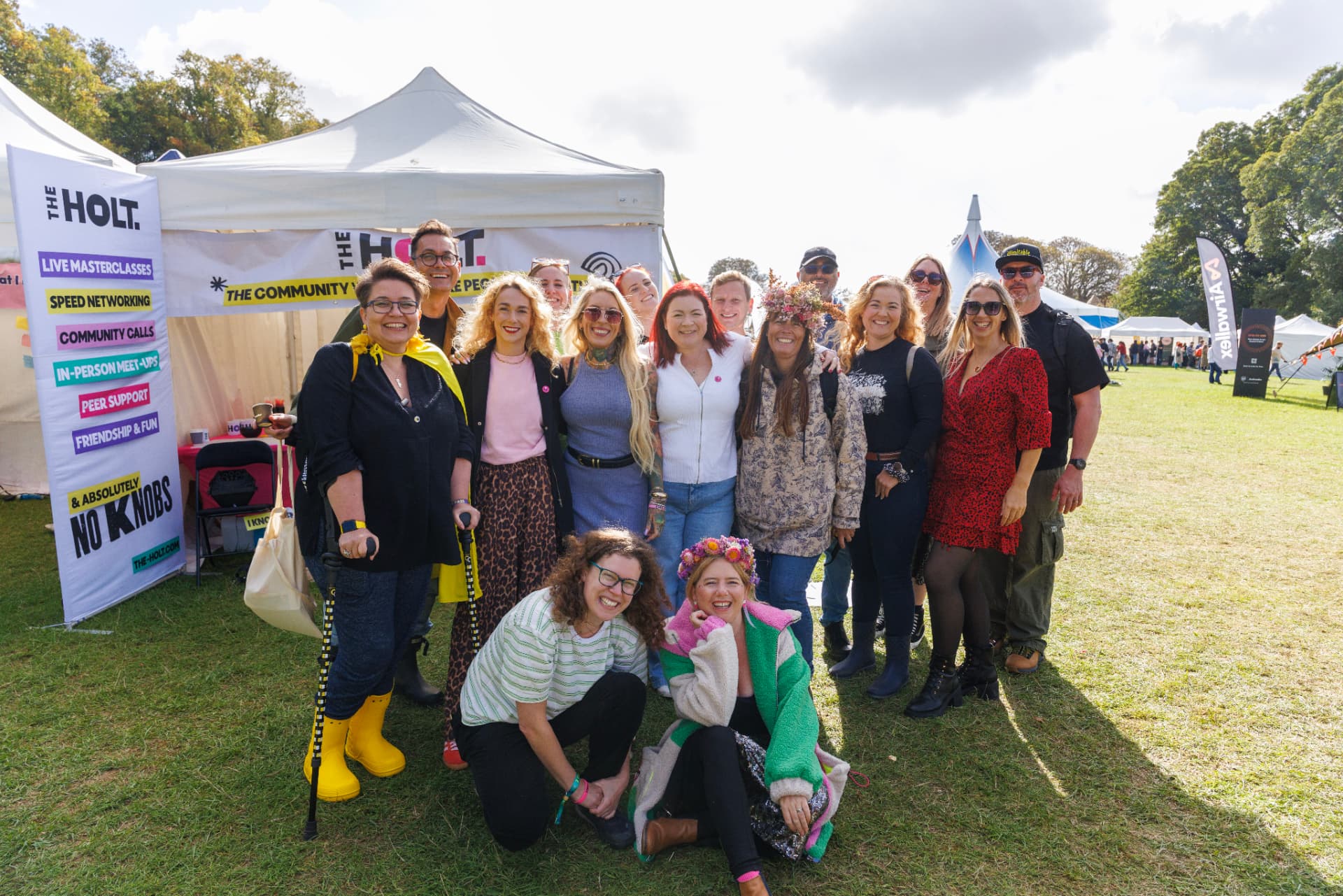
A community shaped by its members
Another distinguishing feature of The HoLT is that Turner has not positioned herself as its only source of expertise.
Members are encouraged to share resources, deliver sessions, write articles, offer advice and support other entrepreneurs. The organisation also facilitates weekly community calls, networking opportunities, in-person meetups, a book club and wellbeing circles.
That creates different ways for people to participate, depending on their personalities, interests and circumstances.
Some members may be active contributors and enthusiastic networkers. Others may prefer to watch sessions, observe conversations or quietly draw on the collective knowledge available. Both approaches have a place.
This matters because one of the weaknesses of conventional networking is the assumption that everyone wants to interact in the same way.
By allowing members to engage on their own terms, The HoLT offers a more flexible interpretation of participation and belonging.
It also helps the community evolve beyond the founder. When members organise, teach, refer, support and celebrate one another, value is increasingly created between participants rather than flowing exclusively from the person running the organisation.
For any community-based business, that is an important step towards building something capable of lasting.
Of course, communities aren't for everyone. Nor should they be.
Some business owners thrive independently. Others prefer highly structured networking with measurable referral expectations, smaller specialist groups or programmes focused on a single commercial objective.
The value of a community is inevitably personal. Its culture, composition, activities and level of engagement all need to suit the individual.
And community membership does not guarantee business growth. Relationships take time to develop, opportunities are unevenly distributed and simply joining a group is unlikely to deliver meaningful results without some willingness to participate.
Indeed, Turner has publicly acknowledged that The HoLT is not designed as a guaranteed source of clients. Its emphasis is on relationships, learning and contribution, with commercial opportunities developing where there is genuine mutual trust. Yet that is also what makes the model noteworthy.
The HoLT reflects a different understanding of what entrepreneurs need to succeed. Alongside information, training and commercial opportunity, they may benefit from encouragement, belonging, generosity and the confidence that there are other people willing to help when challenges arise.
Turner has brought those elements together in a business that combines a substantial educational offering with peer-to-peer assistance, technology-enabled discovery and a carefully cultivated identity.
The result is more than an online directory, a collection of masterclasses or a conventional networking membership. It's an attempt to create a supportive business ecosystem in which individuals can pursue their own ambitions while contributing to the progress of others.
And perhaps that's the most interesting idea behind The HoLT.
A successful business community doesn't need every member to be the same. It needs people who are different, but share an understanding of how they should treat one another.
For entrepreneurs who find the right fit, that can make an enormous difference — not only to how they build their businesses, but to how they experience the journey.
Mini-interview with Lea
1. What are you building with your community, who is it for, and what makes it different?
The HoLT has 500+ members who are almost all solopreneurs, small business owners or freelancers. They’re mostly people working from home who want to grow and improve their lives and businesses, but lack the confidence, support, or know-how, and benefit from the masterclasses, hive mind of generous, smart, and kind humans inside, and want to build personal and professional relationships with fellow members. It’s different because the culture inside is unlike any other community any of our members have ever experienced. People genuinely cheerlead for one another. There’s no competitiveness, no catty comments, no judgement or cliques, no tiers, no upsells, and a founder that prioritises the members and genuinely doing her best to find more ways to help and support them.
2. How did you end up doing this? Was there a particular moment, problem or opportunity that pulled you into this space?
When I was offering LinkedIn training, I realised how much more most of my clients needed to learn. There were so many gaps in their knowledge about running a business, and no budget to accommodate buying loads of £297 courses, or outsourcing. As I already had a huge social media following and had built a huge network, I knew I could bring in experts to help members learn what they needed to, but at a fixed monthly price. I decided to build it and see where it went, and that was four years ago. 18 months ago I gave up LinkedIn training to run The HoLT full time, and it’s been the best move for me and the community, because i can dedicate all my time and focus to developing it and supporting people inside.
3. What are you ultimately trying to change or achieve through the work you’re doing?
Less loneliness in solopreneurship, because it’s a key contributing factor in people giving up and going back to the workplace, which is kind of tragic. They know running a business gives them a better lifestyle for themselves and their families, but without the support of others who are also doing it, it is incredibly isolating.
4. Where do you think your industry is heading over the next few years, and what are you seeing that other people might be missing?
Communities are a real buzzword for businesses at the moment. Everyone wants to have one, but few people have what it takes to build a real community. So, I think we’ll see a lot of them disappearing as people realise it’s far from a passive income, and getting - and more importantly - keeping members is no walk in the park!
5. Something some people might not expect when they first meet you
That I’m an introvert. People look at me and assume I love the limelight and attention, but actually I get really shy around new people, and can only socialise in small bursts as I get overwhelmed. Also the fact that I’m a very happily single solo mother who lives a pretty quiet life!
Find Lea and The HoLT
Bring us the complex one.
A valuable opportunity or a difficult problem — the unusual ones are where we do our best work. You don't need to have the answer before you speak to us. You don't need to know which professional discipline the problem belongs to. And we're not here to judge how you got there.
Tell us what's happening. We'll help you understand the situation, work out the options and decide what happens next.
Start with the problem — or the opportunity.
No complicated brief required. Start with the problem — or the opportunity.